Shawn S Shawn S

The Science and Practice of Breath in Hatha Yoga

It All Begins Here

Most people come to yoga through movement. They expect stretching, strengthening, or improved mobility. What often surprises them is that the biggest shift does not come from flexibility at all. It comes from breathing.

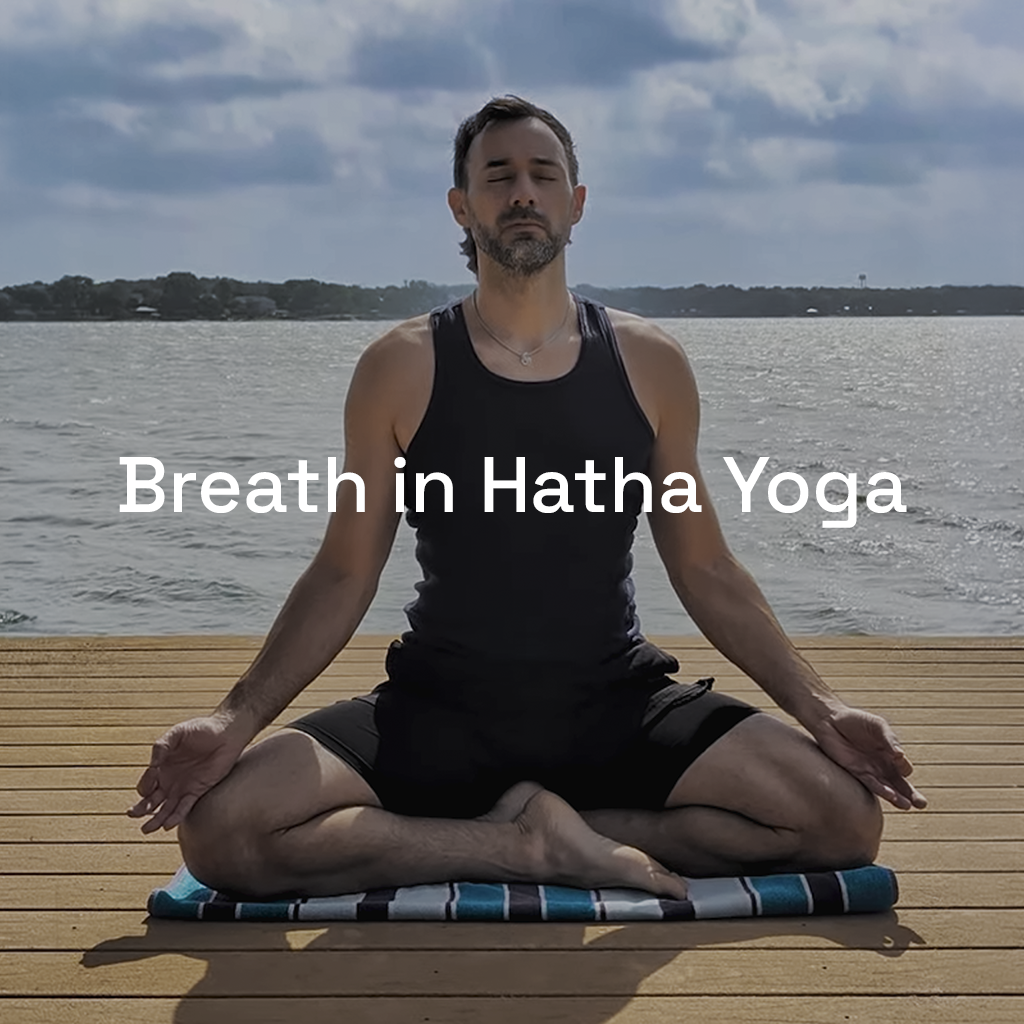
In traditional Hatha Yoga, breath is not something added onto movement. It is the mechanism that changes how the body and nervous system respond to movement in the first place. When breath becomes intentional, yoga stops being simple exercise and begins to function as a form of regulation.

Today, neuroscience and physiology help explain why this happens.

Each breath gently stimulates areas of the brain involved in emotion and memory, including the amygdala and hippocampus, which are key parts of the limbic system. These regions help determine how we respond to stress, process experiences, and maintain emotional balance. Research shows that breathing through the nose creates rhythmic activity in these centers, influencing how the brain interprets fear, attention, and safety.

This helps explain why anxious breathing often feels shallow and fast, while slower breathing naturally reduces emotional reactivity. The brain continuously reads breathing patterns as information about the state of the body. When breathing becomes steady and controlled, the brain receives a signal that the environment is safe.

You are not simply calming the body in these moments. You are changing how emotional circuits in the brain organize and respond.

In my own experience, years of computer work slowly pulled me away from breathing fully without me realizing it. Long hours sitting, focusing on screens, and working under deadlines created a pattern of shallow breathing that felt normal at the time. It was only through yoga that I began to notice how limited my breath had become, and how much tension I was carrying as a result.

Learning to reconnect movement with breath made a noticeable difference, not just during practice but throughout the day. Energy felt steadier, concentration improved, and stress no longer accumulated in the same way. When movement and breath work together, the body stops fighting itself. Simple actions begin to feel smoother, and the nervous system learns that effort does not have to mean strain.

Often, the change is subtle at first. But over time, breathing more fully and moving with awareness reshapes how you feel, how you focus, and how you respond.

Read More